

People toss around “vineyard” and “winery” like they mean the same thing. You see rolling rows of grapevines, you sip a glass of something delicious, and your brain files it all under the same label. Plenty of places lean into that overlap, too, because the whole setting feels like one experience.
Still, the two terms point to different parts of the wine story. Once you understand the difference, the wine country feels more interesting. You start noticing what a property does, what it focuses on, and why the final bottle tastes the way it does. These are the things that set a vineyard apart from a winery.
What Is a Vineyard
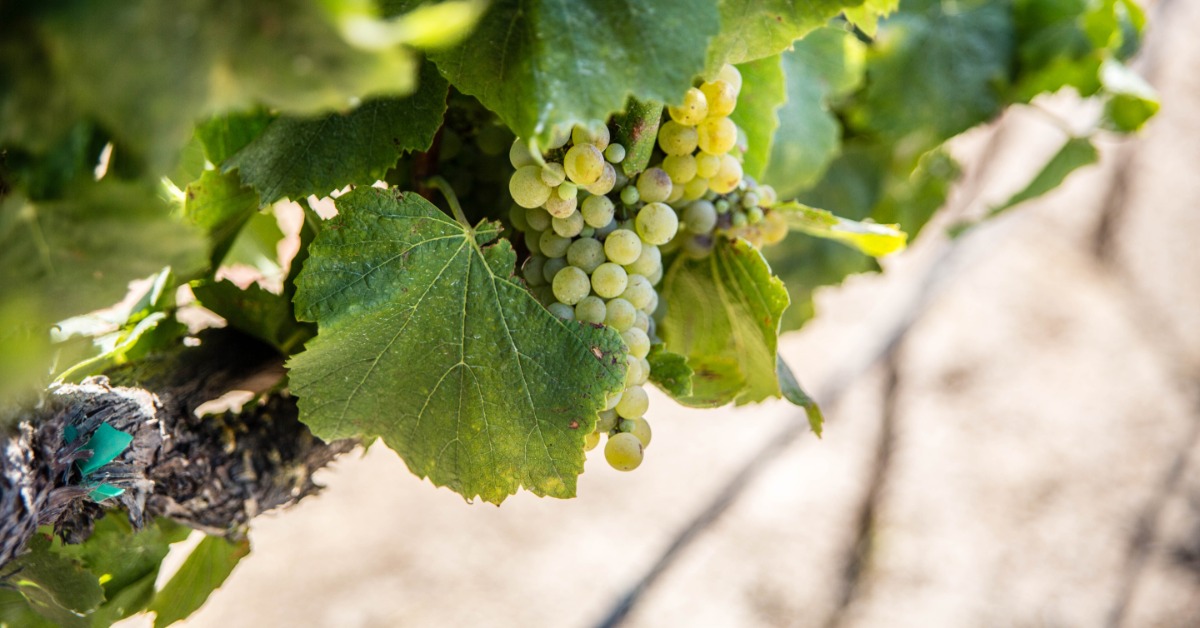
A vineyard focuses on grapes. That sounds simple, yet grape growing involves a lot of choices that shape everything that comes later. Vineyard teams decide what varietals to plant, where to plant them, and how to manage the vines across the seasons.
Vineyards live by the calendar. Bud break in spring kicks everything off. Summer brings canopy management, watering strategy, and constant monitoring for heat stress and pests. Harvest timing becomes the big decision in late summer and fall, because picking too early can deliver sharp acidity and lighter flavors, while picking too late can bring jammy richness and higher alcohol.
When someone talks about “terroir,” the vineyard usually sits at the center of that conversation. Soil type, slope, sun exposure, wind patterns, and even fog influence how grapes ripen. A vineyard can sit on a hillside and produce fruit that tastes totally different from grapes grown just a few miles away on flatter land.
What Is a Winery
A winery turns grapes into wine. That includes crushing, pressing, fermenting, aging, blending, and bottling. It also includes a lot of decisions that most people never see.
Winemakers choose yeast strains or rely on native fermentation. They decide how long grape skins stay in contact with juice, which affects color, tannin, and texture. They pick fermentation temperatures that can bring out fruitiness or highlight structure. They decide whether wine ages in stainless steel, neutral oak, new oak, or a mix. They also decide how to blend lots and barrels into a finished bottle that tastes balanced and intentional.
A winery can exist without owning any vines. Many wineries buy grapes from growers, then focus on production, style, and tasting experiences. That arrangement can work beautifully, especially when a winery partners with excellent growers and a talented winemaker shapes the fruit into something memorable.
Where They Overlap
Some places operate as both a vineyard and a winery. You might tour the vines, then walk into the production space, and then end your visit at a tasting bar. When you see that full chain in one location, you get a clearer sense of how wine moves from farm to bottle.
Other places split the roles. A vineyard might sell grapes to multiple wineries. A winery might source fruit from several vineyards to build a consistent style year after year. That setup also gives winemakers the ability to blend grapes from different sites for complexity.
People often assume “estate” means the property grows and makes everything on-site. Some estates truly do that, yet others use the term more loosely. If you care about how a specific bottle came to life, you can always ask where the grapes grew and where the wine was produced. Good tasting-room teams love those questions.
Why the Difference Matters
Knowing the difference helps you choose experiences that match what you want.
If you love agriculture, nature, and the behind-the-scenes feel of farming, a vineyard-forward visit can feel fascinating. You can talk about soils, pruning, trellising, and harvest decisions. You can walk among the vines and connect the landscape to what you taste later.
If you love craft, technique, and style, a winery-focused visit can feel like a deep dive. You can ask about fermentation, oak programs, barrel selection, blending trials, and aging timelines. You can compare how a Chardonnay tastes from stainless steel versus oak, or how different maceration choices change a red wine’s structure.
If you want the full “wine country day” vibe, you might prefer a place that combines both while also offering hospitality beyond the glass.
How Vineyards Influence Flavor
Grapes act like little mirrors of their growing conditions. Vineyard choices shape flavor and balance long before winemaking begins.
Warm sites often produce riper fruit with a plush body and more obvious fruit notes. Cooler sites can bring brighter acidity, more delicate aromatics, and a leaner profile. A vineyard manager can also influence ripeness and concentration through yields. Lower yields can create more intense fruit, while higher yields can produce lighter wines.
Water management matters, too. Too much water can push vigorous growth and dilute flavors. Too little water can stress vines in ways that reduce quality. Vineyard teams aim for that sweet spot where vines stay healthy, fruit ripens evenly, and flavors build with depth.
Even row orientation makes a difference. Vines that catch harsh afternoon sun can develop different flavors than vines that get more gentle morning light. Once you start paying attention to these details, you realize the vineyard does not just supply grapes. It sets the stage for everything.
How Wineries Shape Style
Winemaking turns potential into personality. Two wineries can buy grapes from the same vineyard and produce wines that taste wildly different.
A winemaker who favors freshness might pick earlier, ferment cooler, and age in neutral vessels to highlight bright fruit. A winemaker who favors richness might pick later, use more skin contact, and age in new oak for a bigger, toastier profile.
A winery also controls texture. Tannins can feel silky or grippy depending on extraction choices. Sparkling wine can feel crisp or creamy depending on aging decisions. Rosé can taste delicate and floral or bold and berry-driven, depending on methods and timing.
When you find a winery whose style matches your palate, you can often trust other bottles in the lineup. That consistency comes from repeated choices, not just from the grapes.
The Experience Side of the Story
A lot of people think a vineyard gives you views and a winery gives you tastings. Real life looks more layered.
Vineyards can host tastings and events. Wineries can sit in industrial parks with no vines in sight. Some of the most scenic places also maintain serious production. Others lean into hospitality and source fruit from elsewhere.
If you plan a visit, think about what matters most: scenery, education, food pairings, events, or a laid-back place to spend an afternoon. You can match your mood to the right kind of spot.
What Makes Léal Feel Different
Now, let’s talk about how this plays out in the real world, especially if you want an experience that blends wine with celebration and hospitality. Léal sits in a sweet spot because the brand focuses on lifestyle as much as it focuses on what goes into the bottle. You can treat it as a wine destination, but you can also treat it as a place where memories happen.
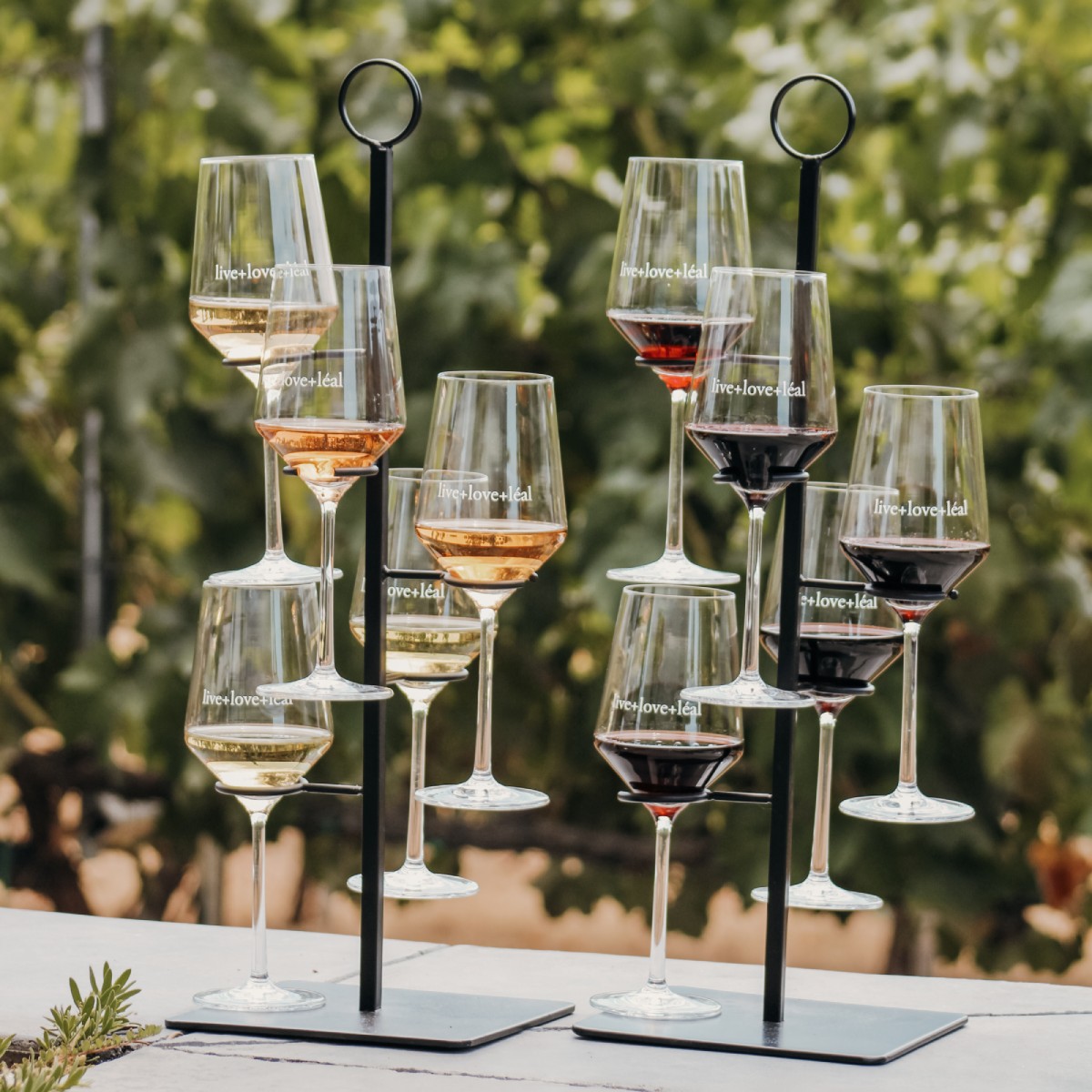
If you want a winery in Morgan Hill, CA that feels like more than a tasting counter, Léal stands out through the way it ties wine to food, events, and design. The properties support weddings, private gatherings, and seasonal experiences that let you enjoy wine.
That approach matters because wine rarely lives alone. Most people fall in love with a bottle because of where they drank it and who they drank it with. A destination that understands the emotional side of wine can turn a casual visit into a tradition.
The Bottom Line
A vineyard grows grapes. A winery makes wine. Some places do both, and others specialize. That simple difference between vineyards and wineries opens up a bigger, more interesting way to think about wine: farming choices shape the fruit, and winemaking choices shape the final style.
Next time you visit wine country, try asking one extra question: “Where do the grapes come from, and where do you make the wine?” You’ll learn something fast, and you’ll probably taste the next sip a little differently.
Wine feels more fun when you understand the story behind it, and the best destinations make that story easy to enjoy—whether you come for the vines, the cellar, the tasting, or the celebration.