


Morgan Hill doesn’t usually come up first when people talk about California wine country. Napa and Sonoma get the headlines, but Morgan Hill has been growing grapes and producing wine since the 19th century, and its story is worth knowing. Whether you’re planning a trip or just want to learn more about California’s rich wine history and legacy, read on to explore Morgan Hill’s part in the narrative.
The Santa Clara Valley’s Early Wine Identity
Before Morgan Hill had its own identity as a wine region, it was part of a much larger agricultural story unfolding across the Santa Clara Valley. Spanish missionaries were among the first to plant wine grapes in California, establishing vineyards at missions up and down the coast beginning in the late 1700s.
By the mid-1800s, secular farming operations had taken over from the missions, and the Santa Clara Valley was developing a reputation as one of California’s most productive agricultural zones. Grapes were a natural fit. The valley’s long, warm growing season and rich soils supported viticulture well, and wine production began expanding beyond mission walls and into private hands.
How Morgan Hill Entered the Picture
Morgan Hill’s development as a town started in the mid-1800s, but it gathered momentum in the 1890s, when the Southern Pacific Railroad extended its line through the area and opened land for settlement and commerce. Morgan Hill became officially incorporated in 1906.
Agriculture was the economic backbone of this region from the start, and the surrounding hillsides and valley floor quickly attracted farmers who saw the potential in the soil. After all, the area that became Morgan Hill sat at the southern end of the Santa Clara Valley. It was located where the terrain began shifting toward the foothills of the Diablo Range to the east and the Santa Cruz Mountains to the west. That geography was excellent for grape growing. The surrounding hills created a natural airflow corridor that pulled cool marine air in from the Pacific during the late afternoon and evening. This moderated temperatures after warm days and helped grapes develop complexity without losing acidity.
Italian Immigrants and the Roots of Wine Culture
The strongest early influence on Morgan Hill’s wine identity came from Italian immigrant families who settled in the region in the late 19th and early 20th centuries. Many came from wine-producing areas of northern Italy, particularly from regions like Piedmont and Tuscany. Therefore, they brought with them generations of knowledge about viticulture and wine making.
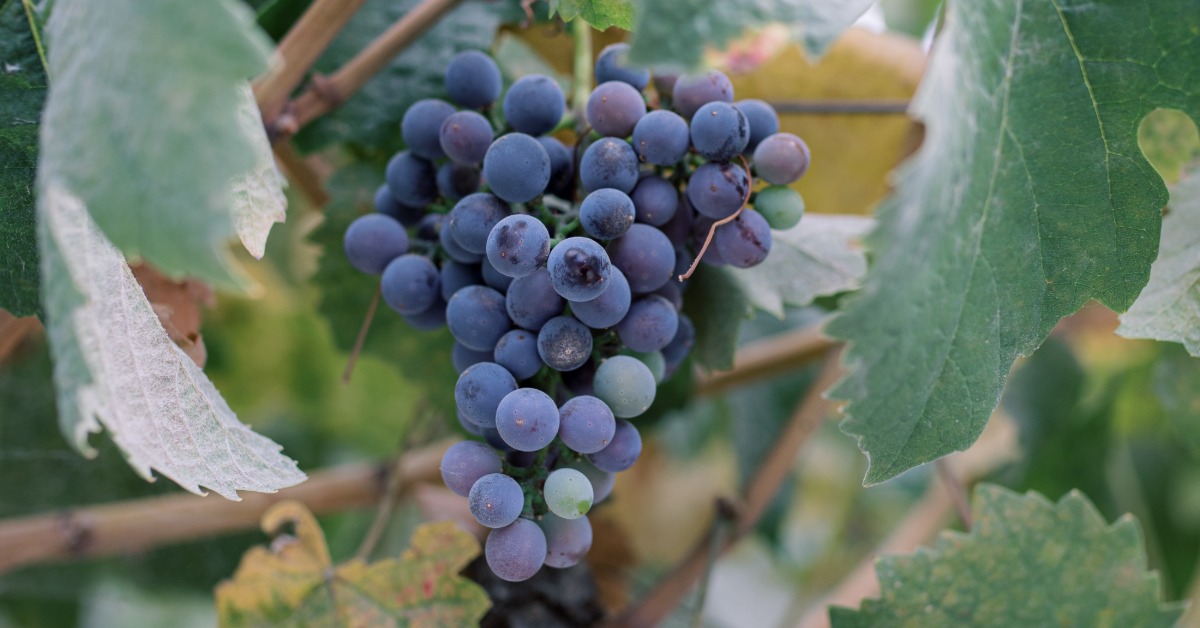
These families planted what they knew. That’s why Zinfandel was one of the most common varietals across California during this era, and it took hold here as it did throughout the state. Barbera and other Italian varietals also found their way into local vineyards, reflecting the cultural backgrounds of the people doing the planting.
Prohibition and Its Impact on the Region
When Prohibition took effect nationally in 1920, it disrupted wine production across California. Bonded wineries were required to close or convert their operations. The wine industry, which had been building steadily for decades, was effectively halted at the commercial level.
But Prohibition didn’t eliminate wine culture in places like Morgan Hill. Federal law allowed households to produce up to 200 gallons of wine per year for personal and religious use, which kept home winemaking alive throughout the dry years. In fact, many grape growers actually saw increased demand during Prohibition.
Mid-Century Pressure and Agricultural Change
The government repealed Prohibition in 1933, which allowed the commercial wine industry to start rebuilding. But the decades following World War II brought a new kind of pressure to the Santa Clara Valley.
As the technology and defense industries expanded in and around San Jose, suburban development began pushing south, consuming farmland that had been in agricultural use for generations. Land values climbed, and farming became less economically viable as residential and commercial development offered higher returns per acre.
Morgan Hill, sitting further south than communities like Sunnyvale, Cupertino, and Los Altos, had more time before that pressure arrived in full force. Some of the old vineyard families held onto their land through this period, maintaining agricultural operations while the northern valley transformed around them.
But total vineyard acreage in the region still declined. The wine industry that eventually re-emerged here was rebuilt with intention, not simply preserved intact.
The 1970s Revival and the California Wine Renaissance
California wine experienced a major turning point in 1976, when a Californian wine won a blind tasting in Paris. The event, known as the Judgment of Paris, shifted international perception of American wine almost overnight.
That cultural shift opened doors for smaller, less prominent regions to attract serious attention and investment. So through the late 1970s and into the 1980s and 1990s, Morgan Hill saw renewed interest from growers and winemakers who recognized what the region’s climate and soils could support.
Morgan Hill’s Wine Community Today
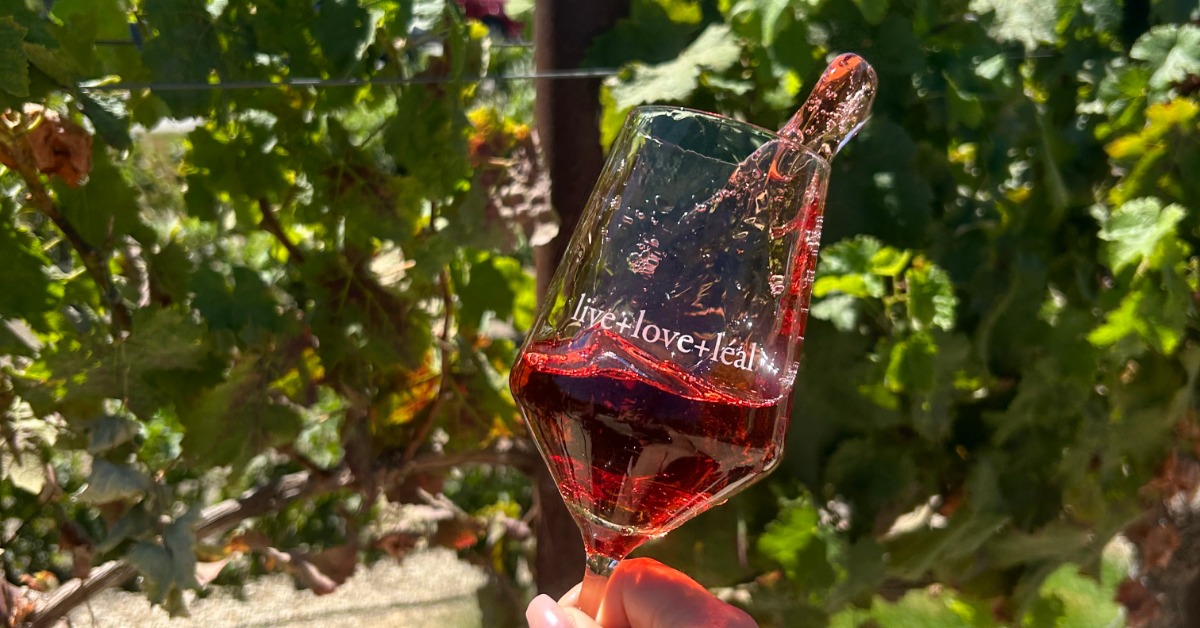
Morgan Hill’s wine scene today is built around a smaller number of estate producers and family operations than you’d find in more commercialized wine regions. That scale is part of its appeal. Tasting rooms here tend to offer direct access to the people who actually grow the grapes and make the wine, which is a different experience from what you get at a large production facility.
The Morgan Hill community has supported wine tourism through local events and initiatives that bring visitors into direct contact with the region’s producers. Moreover, the city’s historic downtown and the surrounding rural landscape give the area a character that more developed wine destinations have largely lost to commercial growth.
A Legacy Built Over Generations
Morgan Hill has a rich wine history and legacy that developed over hundreds of years. It was developed by immigrant families planting vines on hillsides, grape growers keeping their land through Prohibition and suburban sprawl, and a new generation of producers seeing what the region could become. That continuity across more than a century of California history is what gives the wines produced here their unique context and unforgettable charm.
If you want to experience that legacy firsthand, we invite you to visit the MOHI Ranch and see what a working vineyard in Morgan Hill, CA, looks like from the inside. Our land will tell you the story better than any page can.